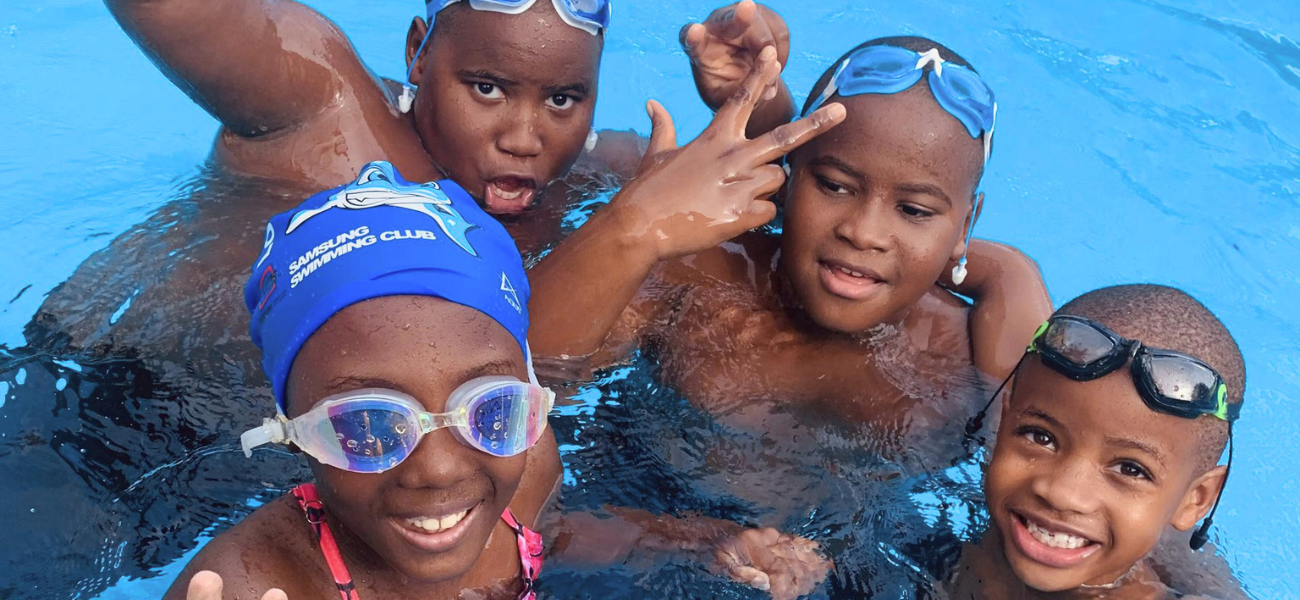
- Swimfit Students during survival training
A Skill Many Parents Are Beginning to Take Seriously
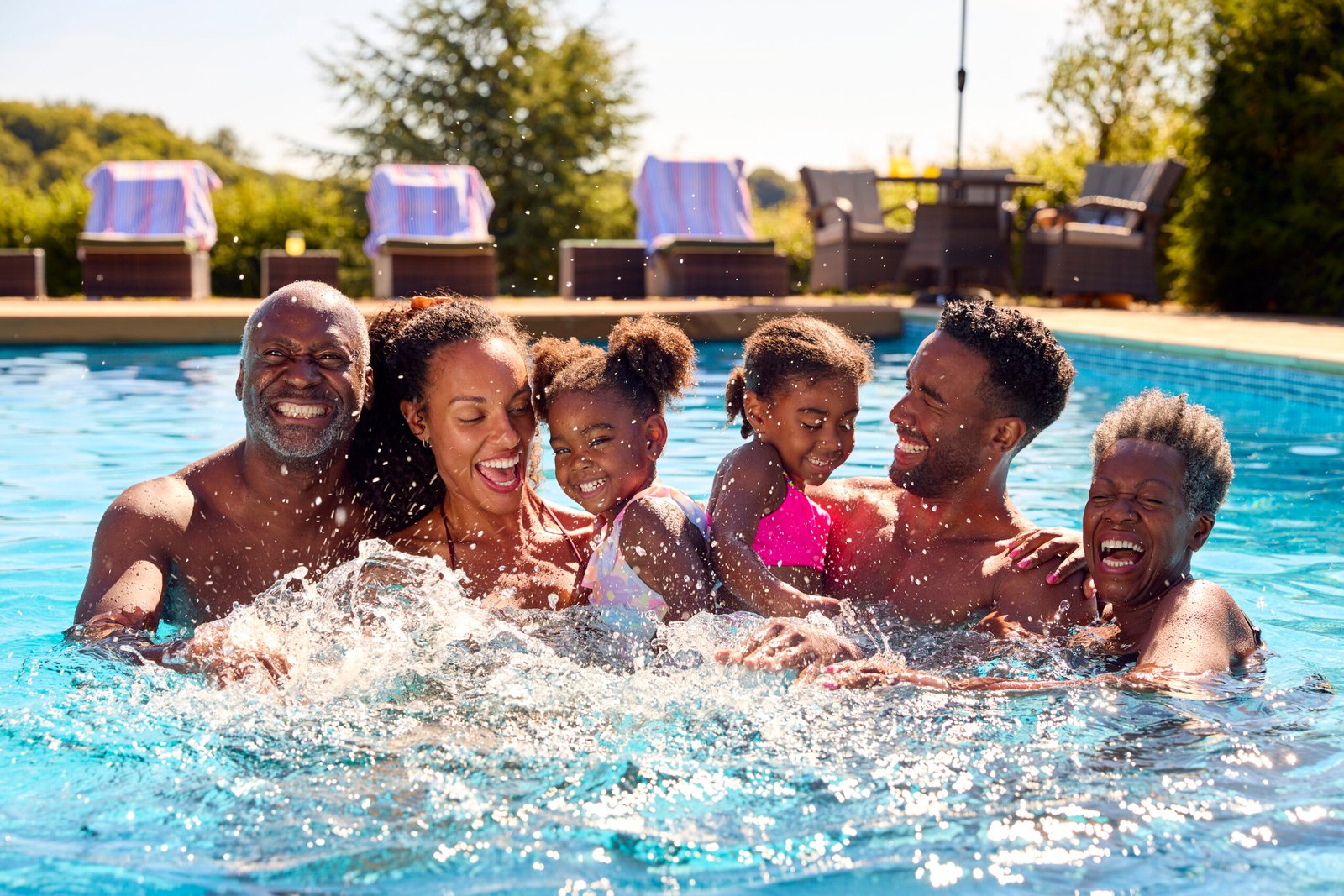
For many families in Abuja, weekends often look the same. A hotel stay, a birthday party, or a relaxing afternoon at a recreational centre where children rush excitedly toward the swimming pool while parents settle into conversations nearby.
It feels normal. Safe, even. But water accidents rarely happen with loud warnings. In many cases, they happen quietly and within seconds.
That reality is why more parents across Abuja are beginning to see swimming differently, not as a luxury activity, but as an essential life skill every child should have.
According to the World Health Organization (WHO), drowning remains one of the leading causes of accidental death among children globally. Water safety experts continue to emphasize the importance of early swimming education and supervised water exposure.
Abuja Is Changing, And Children Are Around Water More Than Ever
For many Abuja parents, swimming was never part of childhood growing up. Some adults openly admit they are uncomfortable around water, while others avoid pools entirely because they never learned how to swim themselves.
That generational gap is becoming more noticeable as modern lifestyles expose children to water environments more frequently than ever before. Whether during school excursions, vacations or weekend outings, children today encounter pools far more often than previous generations did.
Over the last decade, Abuja has changed significantly. Residential estates now advertise swimming pools as premium amenities, while hotels and recreational centres increasingly include water facilities as part of family entertainment.
Even birthday parties are becoming more pool-centered. The reality is simple: children in Abuja are already around water regularly. The important question is whether they know how to stay safe and calm around it.
Swimming Is More Than Just Recreation
Swimming differs from many extracurricular activities because it is directly connected to safety and survival. A child who learns piano gains creativity. A child who learns coding develops technical skills.
But a child who learns swimming gains a potential life-saving ability. Organizations like the American Red Cross continue to emphasize swimming education as a key part of childhood safety.
Many Nigerians still associate drowning only with oceans or deep rivers. In reality, accidents can happen in hotel pools, estates, recreational centres and private facilities too.
Children are naturally curious and energetic. They move quickly, explore freely and often underestimate danger. That is why water awareness has become increasingly important for modern families.
Building Confidence Gradually
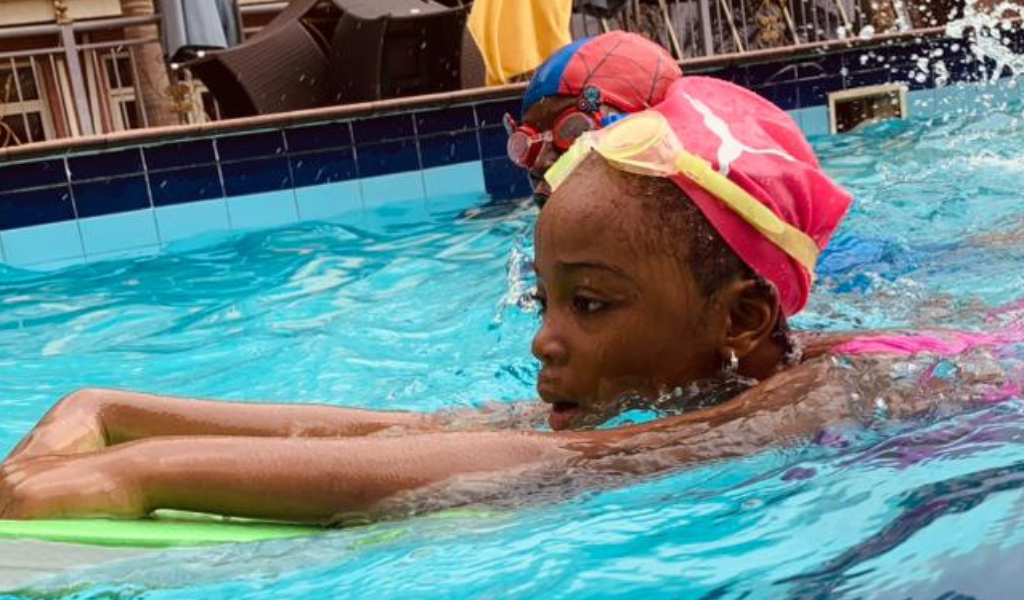
- SwimFit student undergoing the freestyle kick drill
At Swimfit Academy, instructors say many children arrive for lessons feeling nervous or fearful around water. Some refuse to enter the pool during their first session, while others cling tightly to their parents.
But over time, confidence begins to grow gradually through patience, encouragement and structured teaching. The academy focuses on a survival-first, beginner-friendly approach that prioritizes emotional comfort before advanced techniques.
According to instructors, children learn best when they feel safe rather than pressured. That emotional support often becomes the difference between fear and confidence.
One of the most powerful parts of learning to swim is the transformation many children experience emotionally. A child who once panicked near water may eventually begin floating independently and later move confidently across the pool.
Parents often notice these changes extending beyond swimming itself. Some children become more expressive, socially confident and willing to try new activities after overcoming fear in the water.
Swimming quietly teaches children an important lesson: difficult things can become easier with patience and practice.
The Health Benefits Go Beyond the Pool
The benefits are not only emotional. Swimming is also one of the healthiest full-body activities children can participate in, especially in a time when many children spend hours on phones, tablets and gaming consoles.
The Centers for Disease Control and Prevention (CDC) identifies swimming as an activity that supports cardiovascular health, endurance and overall physical development.
Unlike many sports that strain specific joints or muscle groups, swimming engages the body more evenly while improving coordination, flexibility, posture and balance.
For many children, the biggest advantage is that swimming feels fun rather than forced exercise. That combination of enjoyment and physical activity is incredibly valuable.
Swimming Also Teaches Discipline
Swimming teaches emotional discipline in subtle ways. Water naturally rewards calmness and patience, while panic makes movement more difficult.
Children gradually learn how to control breathing, listen carefully to instructions and stay composed rather than anxious. Instructors say these lessons often influence other areas of life too.
Swimming also teaches consistency because progress happens gradually. First floating, then kicking, then breathing properly and eventually coordinating movement confidently.
That process helps children understand that improvement takes patience, repetition and discipline, lessons that extend far beyond the swimming pool.
“I Wish I Learned Earlier”
One phrase commonly heard around pools in Nigeria is: “I wish I learned earlier.” Many adults quietly regret not learning how to swim during childhood because fear becomes harder to overcome later in life.
Children adapt more naturally and usually build confidence faster when introduced early in safe environments. That is one reason many Abuja parents are becoming more intentional about swimming education.
Despite growing awareness, some misconceptions still remain. Some parents believe swimming is only for wealthy families, while others worry their children are too young or too afraid.
Instructors say these fears are common but often temporary. Fear of water is normal, especially for beginners, but supportive instruction helps children gradually develop trust and comfort around water.
Experts also argue that physical activities like swimming can improve concentration, emotional wellbeing and discipline rather than distract from academics.
Choosing the Right Swimming Program
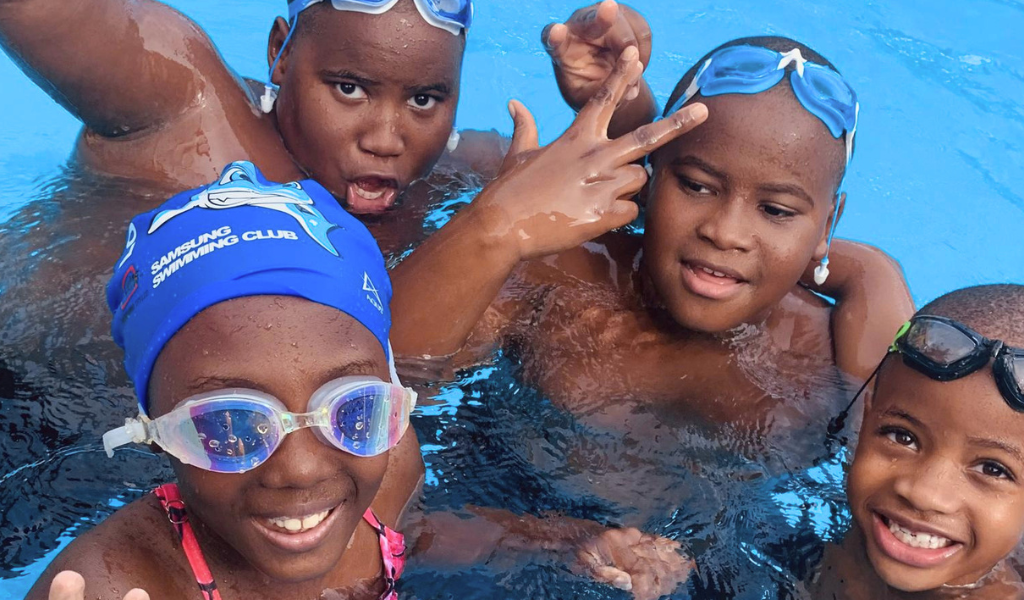
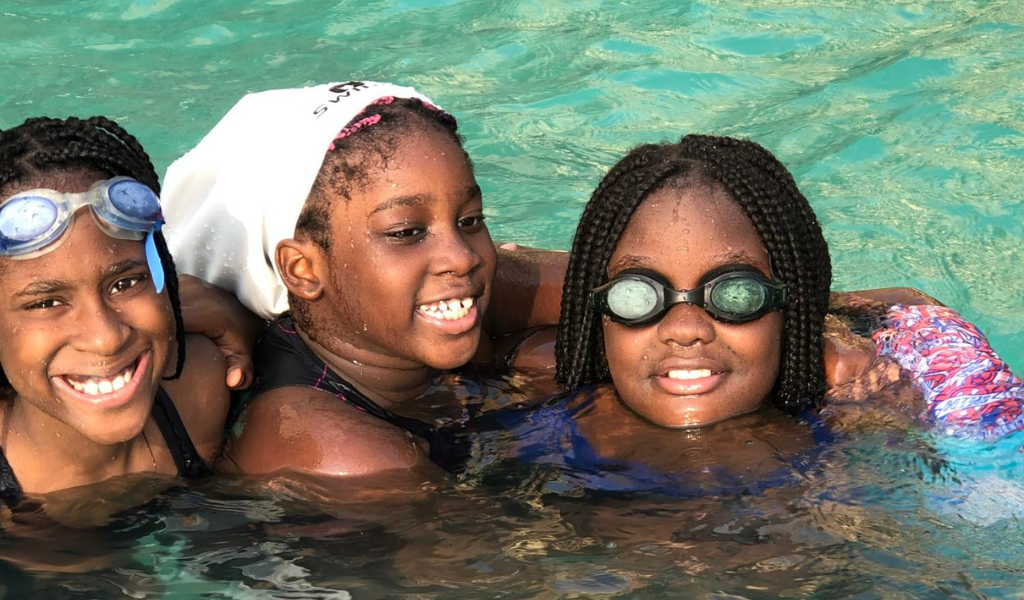
- SwimFit fun time
For parents considering swimming lessons, instructors recommend focusing on safety, professionalism and teaching style rather than aesthetics alone.
A good swimming program should prioritize patience, structured learning, supervision and beginner-friendly instruction. Children learn best when they feel encouraged rather than pressured.
Families interested in enrolling their children can explore swimming programs here or contact the SwimFit Academy team directly for guidance on beginner classes and schedules.
More Than a Sport, A Skill for Life
For many families, swimming eventually becomes more than a recreational activity. It becomes confidence, safety, discipline and preparation for life.
Children grow older, travel independently, attend school trips and spend time around pools with friends. In those moments, confidence around water matters.
That is why more parents across Abuja are beginning to see swimming not as an optional hobby, but as an essential skill every child deserves to have.
Families ready to begin can register for swimming lessons here.